

Brushless vs Brushed Motors for RC Cars: What’s the Difference & Which One Should You Choose?


When it comes to RC cars, the motor is the heart of the machine. It’s what determines speed, torque, efficiency, and how much fun you’ll have behind the controller. If you’re new to the RC hobby—or even if you’ve been around for a while—you’ve probably heard people debating brushless vs brushed motors. But what exactly is the difference, and which one is better for your RC car? Let’s break it down.
What is a Brushed Motor in RC Cars?
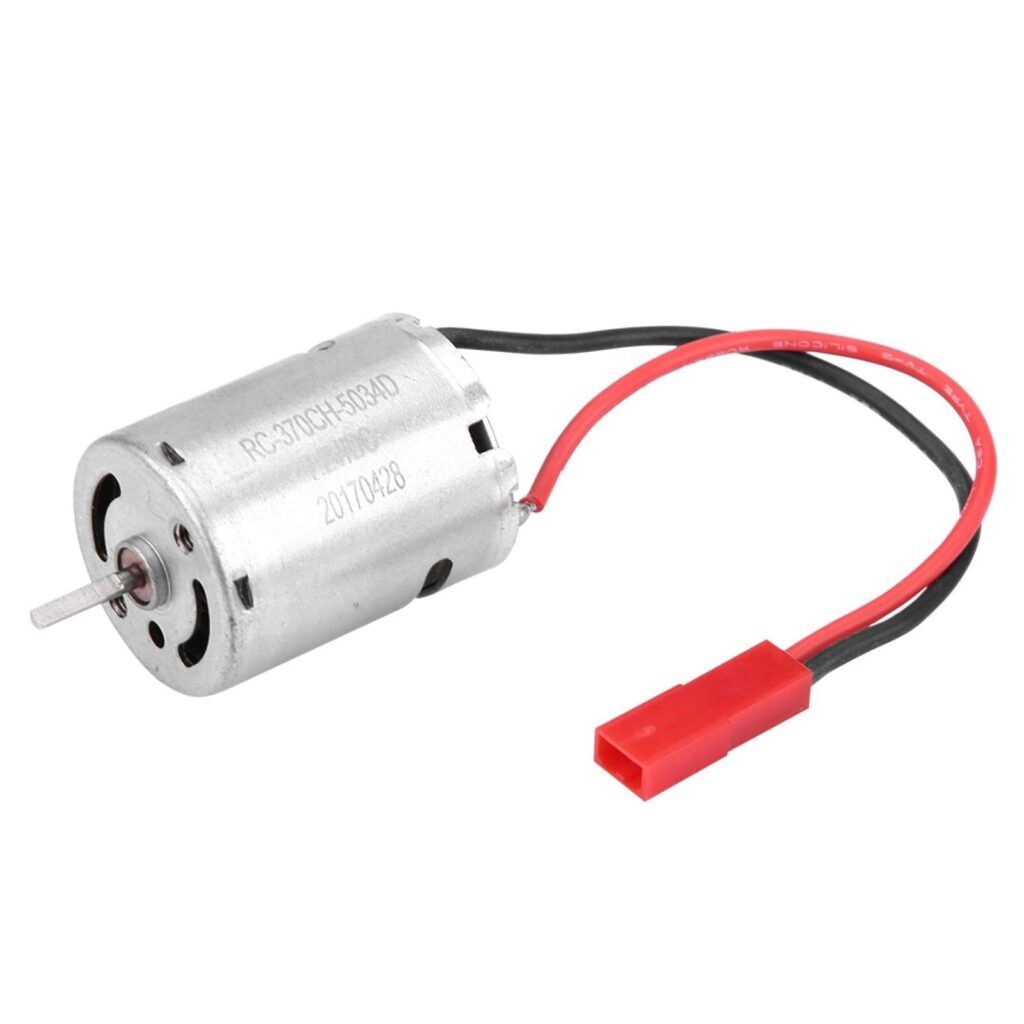
A brushed motor is the older and simpler design. It uses brushes and a commutator to transfer electrical energy to the spinning armature. As the brushes make contact, they create friction, which drives the motor and powers your RC car.
- Common in entry-level RC cars
- Lower cost makes them beginner-friendly
- Easy to replace if damaged
However, because the brushes physically touch the moving parts, they wear out over time, leading to reduced performance and higher maintenance.
What is a Brushless Motor in RC Cars?
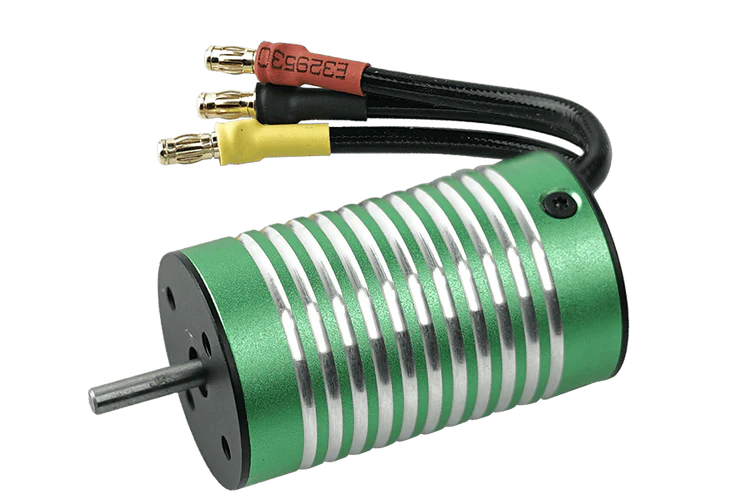
A brushless motor is a more advanced design that eliminates the brushes entirely. Instead, it uses electronic controllers and magnets to spin the motor. This makes it far more efficient and powerful than its brushed counterpart.
- Longer lifespan due to no brush wear
- Higher speeds and stronger acceleration
- Runs cooler and quieter
The catch? Brushless motors are generally more expensive and require an Electronic Speed Controller (ESC) that’s compatible with them.
Key Differences: Brushless vs Brushed Motors
Here’s a quick side-by-side comparison:
| Feature | Brushed Motor | Brushless Motor |
|---|---|---|
| Cost | Cheaper, budget-friendly | More expensive, premium option |
| Maintenance | Brushes wear out, need replacing | Minimal, almost no wear & tear |
| Performance | Moderate speed & torque | High speed, torque, and efficiency |
| Durability | Shorter lifespan | Long-lasting |
| Efficiency | Loses energy as heat | Very efficient, less heat |
| Best For | Beginners, casual RC drivers | Hobbyists, racers, performance users |
Pros and Cons of Brushed Motors
Pros
- Affordable and widely available
- Simple design, easy to repair or replace
- Good choice for beginners or kids
Cons
- Shorter lifespan due to brush wear
- Lower efficiency, gets hot quickly
- Limited speed and power compared to brushless
Pros and Cons of Brushless Motors
Pros
- Extremely powerful and efficient
- Longer lifespan with little maintenance
- Runs cooler and quieter
- Provides higher speed and torque
Cons
- Higher upfront cost
- Requires a compatible ESC
- Can be overwhelming for total beginners
Which Motor is Better for Your RC Car?
It really depends on what you want from the hobby:
- If you’re just starting out, want something affordable, and don’t mind replacing parts occasionally, a brushed motor will serve you well.
- If you’re looking for serious performance, racing, or long-term reliability, a brushless motor is worth the investment.
For many RC enthusiasts, upgrading to brushless eventually feels inevitable once they get hooked on speed and power.
Final Verdict: Brushed or Brushless for RC Cars?
In the battle of brushless vs brushed motors, brushless motors clearly outperform in nearly every way—speed, durability, and efficiency. That said, brushed motors still have a place in the hobby, especially for beginners or casual drivers who want to keep costs down.
👉 If budget is tight and you’re just testing the waters, go brushed.
👉 If you want the best performance and long-term value, go brushless.
No matter which motor you choose, the key is to match it with your driving style and how deep you want to dive into the world of RC cars.